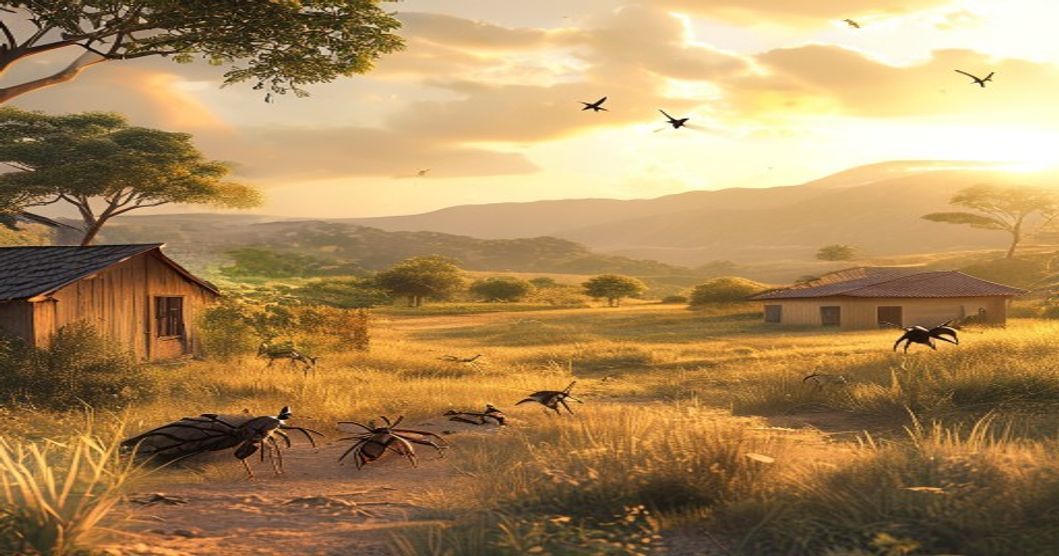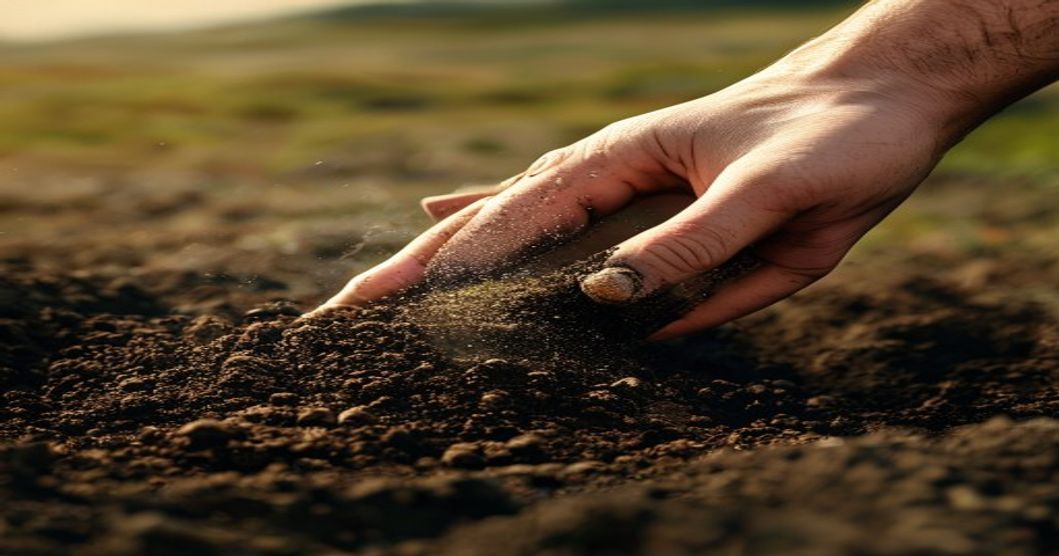
Here is a mind-blowing fact: one teaspoon of healthy garden soil contains more living creatures than there are people on Earth. Bacteria, fungi, tiny worms, mites, beetles — all invisible, all working, all turning dead things back into life. This is not dirt. This is a living city.
On a homestead, understanding soil is the most important skill you can learn. Everything — every vegetable, every fruit, every chicken, every person — depends on healthy soil. And the best part? You can build it yourself, for free, from things most people throw away.
A single earthworm eats its own body weight in soil every day. All the worms in one football field of healthy soil weigh more than a herd of elephants. And they do all this work for free.
Why "waste" doesn't exist in nature
Look at a forest. Dead leaves fall. Rain soaks in. Insects eat the leaves. Fungi break down the insects. Bacteria eat the fungi. Worms pull everything deeper. Within a year, those leaves are gone — transformed into the richest plant food on earth. Nothing was wasted. Everything became something else. This is the cycle of life, and composting is how homesteaders copy it in their own backyard.
What you need: A large glass jar with a lid · kitchen scraps · garden soil · water · a stick for stirring
What to do:
- Add a layer of soil to the bottom of the jar.
- Add kitchen scraps: fruit peels, vegetable off-cuts, coffee grounds, eggshells, tea bags. No meat, no dairy — they smell bad and attract flies.
- Add another layer of soil on top.
- Sprinkle a little water in — just enough to make it damp, not wet.
- Stir with your stick. Put the lid on loosely so air can get in.
- Every few days, open the jar, give it a stir, and check the moisture. Write down what you notice.
What to watch for over the next 4–6 weeks:
- Week 1–2: Things start to look broken down and darker.
- Week 3–4: You might see white fuzzy threads — that is fungal mycelium, the main decomposer. Very exciting!
- Week 5–6: The scraps are gone. What is left is dark, crumbly, earthy-smelling compost. This is "black gold."
Tip: Keep a notebook next to your Rot Museum. Draw what you see each week. Scientists keep records — you are one too.
What you need: 2 plastic bins (one stacks inside the other) · drill or nail for holes · damp shredded newspaper · compost worms (red wigglers — buy from a nursery or find after rain) · kitchen scraps
What to do:
- Ask a grown-up to drill small holes in the bottom of the top bin (liquid drains into the bottom bin — this liquid is incredible plant food!).
- Line the top bin with damp shredded newspaper — the worms' bedding.
- Add a small layer of compost or garden soil.
- Add your red wigglers. Be gentle — they are friends.
- Cover with more damp newspaper.
- Feed every few days: bury scraps under the newspaper. Do not put in meat, dairy, or citrus.
After 6–8 weeks: Dig carefully through the bin. The dark, crumbly material at the bottom is pure worm castings — the world's best fertiliser. Sprinkle on your garden plants and watch them grow faster than anything near them.
What you need: A tall clear jar · a scoop of garden soil · water · patience (1 hour)
What to do:
- Fill the jar about 1/3 with soil from your garden.
- Fill the rest with water.
- Screw on the lid and shake hard for 1 minute.
- Put it down and don't touch it. Watch what happens.
After 1 hour, you will see layers:
- 🏜️ Bottom layer (thick and heavy) = sand — drains fast, doesn't hold nutrients well
- 🪨 Middle layer (finer) = silt — holds water better
- 🧱 Top layer (stays cloudy) = clay — holds nutrients but can get waterlogged
- 🌿 Floating bits = organic matter — the living part of the soil
The best garden soil (called loam) has roughly equal amounts of all three. If your soil has lots of clay, add compost. If it has lots of sand, add compost. The answer to almost every soil problem is: add compost.
When you compost, you are not just making plant food. You are closing the loop. You are doing exactly what nature has been doing for 3.5 billion years — turning endings into beginnings. Nothing wasted. Everything used. That is the homestead way.