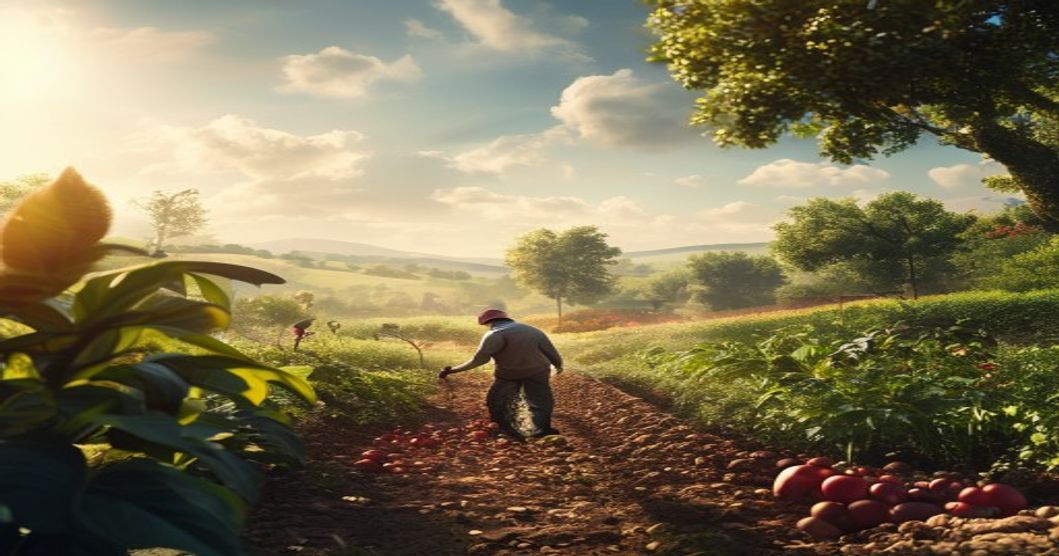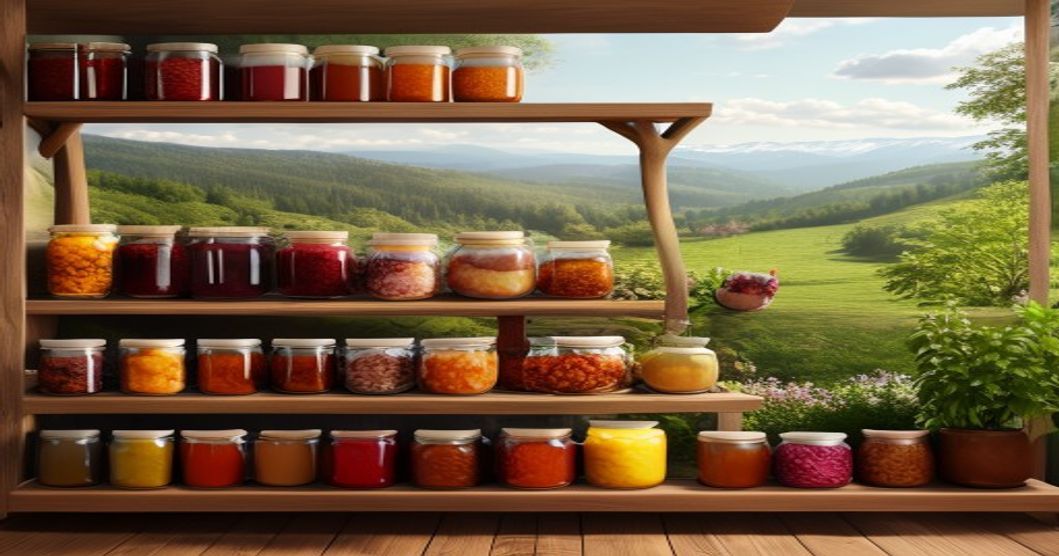
Ever found yourself staring at a kitchen counter overflowing with ripe tomatoes from a bumper harvest? Or perhaps a sudden flush of chillies that your family couldn't possibly eat before they started to soften? It’s a wonderful problem to have, but it can also feel overwhelming. That excess, though, isn't just extra food; it's a hidden opportunity. Today, we're going to dive into how you can turn those seasonal gluts of tomatoes, chillies, or fruit into sellable jams, sauces, or dried snacks, putting a bit of extra cash back into your family’s pocket using equipment you probably already own.
Getting Started: Hygiene and Your Basic Kit
Before you even think about turning a single tomato into passata for profit, let's talk about the absolute bedrock of preserving: hygiene. When you're selling food, this isn't just about preventing tummy aches; it's about reputation and safety. Always start with spotlessly clean hands, work surfaces, and equipment. For jars and lids, sterilisation is non-negotiable. You can do this by boiling your clean jars in a large pot of water for 10 minutes, or by heating them in a preheated oven at 120°C for 15 minutes. Always use new lids or seals when selling, as old ones can compromise the vacuum seal.
Your basic preserving kit doesn't need to be fancy. You'll need a few large, heavy-bottomed pots, a couple of wooden spoons, a funnel for filling jars, and plenty of clean glass jars with tight-fitting lids. For fruit and veg drying, a simple rack or even clean braai grids covered with netting for sun drying will do. Don't feel you need to buy expensive equipment to get started; make do with what you have and invest as your "side hustle" grows.
Simple Tomato Passata: Your First Sellable Jar
Tomato passata is a homestead staple and a fantastic seller. It’s versatile, and most families use it regularly. Here’s how to make a basic, delicious passata that will fly off your stall:
- Prepare your tomatoes: Wash about 5kg of very ripe, firm tomatoes. Cut out any blemishes and chop them roughly. You can leave the skins on for a rustic passata, or blanch them in boiling water for 30 seconds, then plunge into ice water to easily peel if you prefer a smoother product.
- Cook them down: Place the chopped tomatoes in a large, heavy-bottomed pot. Add a splash of water (about 1/4 cup) to prevent sticking, then bring to a gentle simmer. Cook uncovered for about 30-45 minutes, stirring occasionally, until the tomatoes have completely broken down and the mixture has thickened.
- Process (optional): For a smoother passata, pass the cooked tomatoes through a food mill or a fine-mesh sieve to remove skins and seeds. If you prefer a chunkier sauce, simply mash them with a potato masher.
- Season and bottle: Return the passata to the pot. Add 1-2 teaspoons of salt (adjust to taste) and a pinch of sugar to balance the acidity. You can add a few basil leaves or a crushed garlic clove for flavour, but keep it simple for a versatile base sauce. Bring back to a boil, then immediately ladle the hot passata into your sterilised jars, leaving about 1.5cm headspace.
- Seal and process: Wipe the jar rims clean, secure the new lids tightly, and process the filled jars in a boiling water bath for 20 minutes (for 500ml jars) to ensure a safe, shelf-stable product. Let them cool completely on a counter, listening for that satisfying "pop" as the lids seal. This 5kg batch should yield about 3-4 standard 500ml jars of passata.
Pricing Tip: Think about the cost of your ingredients, your time, and what similar quality passata sells for in local markets or artisan shops. Don't undersell your hard work!
Zesty Chilli Jam or Chutney: A Crowd Favourite
Chilli jams and chutneys are incredibly popular and fetch good prices. They're a fantastic way to use up excess chillies and even some overripe fruit. Here's a simple chilli jam recipe:
- Gather your ingredients: You'll need about 250g fresh red chillies (a mix of mild & hot like Cayenne and Birds Eye works well), 500g ripe red bell peppers, 500g caster sugar, 250ml white wine vinegar, and 2-3 cloves of garlic.
- Prepare the veg: Wear gloves! Deseed and roughly chop the chillies and bell peppers. Peel and roughly chop the garlic.
- Blend and cook: Place the chillies, bell peppers, and garlic in a food processor and pulse until finely chopped (not puréed). Transfer to a large, heavy-bottomed pot. Add the sugar and white wine vinegar.
- Simmer to jam: Bring the mixture to a boil, stirring until the sugar dissolves. Reduce the heat and simmer gently for 40-60 minutes, stirring frequently, until the jam thickens and coats the back of a spoon. The consistency should be jam-like, not runny.
- Bottle: Ladle the hot jam into sterilised jars, leaving 1cm headspace. Wipe rims, secure new lids, and process in a boiling water bath for 10 minutes. This should give you 3-4 small 250ml jars of vibrant chilli jam.
Families love a good chilli jam with cheese, on burgers, or with a braai. Make a small batch first to nail your preferred level of heat and sweetness.
Drying for Dollars: Fruit and Veggie Snacks
Drying is one of the oldest and simplest preservation methods, and dried fruit and veggie snacks are surprisingly profitable. Think about biltong-style tomato slices, dried mango cheeks, or apple rings. It requires minimal energy if you're sun drying, making it very cost-effective.
Sun Drying: This works best in hot, dry climates like the Karoo or the Highveld during dry spells.
- Preparation: Wash and slice fruit (e.g., mango, apple, pear) or veg (e.g., tomatoes, sweet potatoes) thinly and uniformly (about 5mm thick). For apples, a quick dip in lemon water prevents browning.
- Set up: Arrange slices on clean racks or screens (like old braai grids) without overlapping. Cover with a fine mesh or netting to protect from insects.
- Dry: Place in full sun. Bring indoors at night to protect from dew. Drying can take 2-5 days depending on the weather and thickness. The fruit should be leathery and pliable, not brittle.
Oven Drying: A good alternative for humid regions like the KZN coast or during cooler weather.
- Preparation: Same as above.
- Set up: Place slices on baking trays lined with baking paper, in a single layer.
- Dry: Set your oven to its lowest temperature (usually 50-70°C). Prop the oven door slightly ajar with a wooden spoon to allow moisture to escape. Drying can take 4-12 hours. Flip occasionally.
Store dried goods in airtight containers. Package them in small, attractive bags for sale. Kids love these as healthy alternatives to sweets, and they're great for lunchboxes.
The Tradition of Making Things Last
Our South African heritage is rich with the wisdom of making the most of every harvest. From the Khoisan drying berries and meat in the sun to the Dutch settlers pickling and preserving their vegetables, and the Indian community perfecting the art of atchar and chutneys, the practice of preserving is deeply woven into our family histories. It wasn't just about saving food for leaner times; it was about ingenious resourcefulness, ensuring nothing went to waste, and creating delicious provisions that sustained families through the seasons. This spirit of stretching the harvest, of transforming abundance into lasting goodness, is a practical wisdom passed down through generations. When you fill those jars or dry those fruits, you're not just making money; you're continuing a vital South African tradition of self-reliance and smart living.
Start This Week
Ready to turn those gluts into gold? Here are three simple steps you can take this week:
- Assess your kitchen: Go through your cupboards and identify what preserving equipment you already have. Do you have a large pot, some spare jars, and a funnel? Make a small list of anything else you might need, like new lids.
- Buy a small batch: Head to your local fruit and veg market or speak to a neighbour with a garden. Purchase 2-3kg of ripe tomatoes or a handful of chillies. This small batch is perfect for a trial run of passata or chilli jam without feeling overwhelmed.
- Research local selling spots: Look up community markets, school fetes, or local farm stalls in your area. Find out when they operate and what their vendor requirements are. This will give you a target for your first batch of sellable goods.
Every jar of passata, every bag of dried fruit, or every pot of chilli jam you create isn't just a delicious product; it's a step towards your family's financial resilience and a tangible connection to the self-sufficiency you're building on your homestead. Don't let those bountiful harvests go to waste; turn them into a thriving part of your family's income. You've got this.