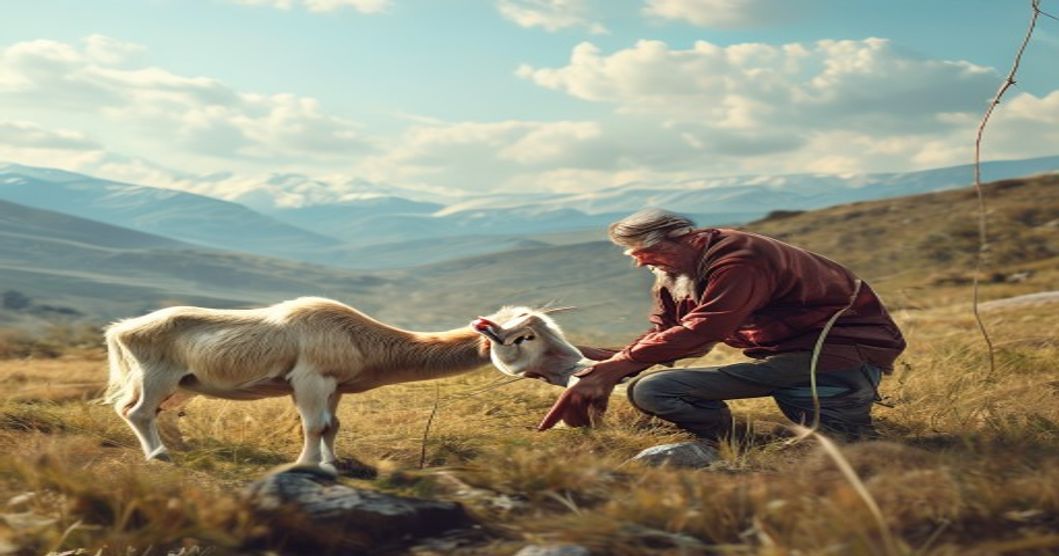
Remember that feeling, standing in the grocery store aisle, looking at the price of milk, and wondering if there was a better way? Or maybe your kids have started asking where their food really comes from, and you want to show them firsthand. Bringing milk production onto your homestead is one of the most rewarding steps you can take. It’s not just about cutting down the grocery bill; it’s about fresh, wholesome food for your family and a deeper connection to your land.
Today, we’re going to talk about a true homestead hero: the Boergoat. Many think of them only for meat, but with a bit of careful selection and management, these hardy South African animals can provide your family with delicious, creamy milk every day. We’ll walk through how to choose the right goats, set up their home, manage their feed, and even the simple art of hand-milking, so you can soon enjoy your own fresh goat’s milk and cheese.
Choosing Your Mini-Dairy Boergoats
When you hear "dairy goat," you might think of Saanens or Toggenburgs, but our local Boergoat, while primarily a meat breed, can be surprisingly good for milk on a small scale. They are tough, adaptable to our diverse South African climates – be it the Highveld chill or the KZN coast humidity – and generally have a calm temperament, which is a big plus for a family with kids around. The trick is selecting for milk production.
You’ll want to start with 2 to 3 young does (females). Goats are herd animals and get lonely and stressed by themselves, which affects milk production. Look for animals that are lean, but not skinny, with good udder development for their age, and a history of good milk production in their lineage if possible. A healthy doe will have bright, clear eyes, a glossy coat, and be active and alert. Avoid any with limping, coughing, or runny noses. Ideally, you’d buy yearlings that are ready to be bred for their first lactation, or proven first-fresheners who have already had kids and are milking well.
Expect to pay anywhere from R1500 to R3000 per animal, depending on age, health, and pedigree. Always buy from a reputable local breeder. Ask around at your co-op or local farming community – word-of-mouth is usually the best guide. Don't be shy to ask to see the mother of the goats you're interested in; her udder and overall condition will tell you a lot.
Setting Up Their Home: Shelter and Fencing
Goats are tough, but they still need protection from our harsh African sun, driving rain, and cold snaps. A simple three-sided shelter, facing away from the prevailing winds (often west in many parts of SA), is perfect. Build it sturdy, with a roof that doesn't leak. Allow at least 1.5 square metres of space per goat inside. A raised sleeping platform, even just a sturdy pallet, keeps them off the damp ground, preventing hoof and respiratory issues.
Now, let’s talk fencing. If there’s one thing you learn about goats, it’s that they are escape artists of the highest order. A good fence is non-negotiable. Aim for at least 1.2 metres high. Sturdy diamond mesh or a well-strung 4-strand high-tensile wire fence works well. Adding a single strand of electric fence wire, particularly at the bottom and mid-level, can be a game-changer for keeping them where they belong. Make sure your gate latches are goat-proof – they’re clever with their noses!
Always provide a constant supply of clean, fresh water in a heavy trough that they can’t easily tip over. Goats are particular about their water. Also, make sure they have a mineral lick block available at all times. Brands like Molatek or Voermol offer good options specifically formulated for goats, available at most co-ops or farm supply stores.
Daily Feed and Forage
Boergoats are browsers, not grazers like sheep. This means they prefer to nibble on leaves, shrubs, and weeds rather than short grass. If you have an area with safe bushes and trees, letting them browse for a few hours a day will keep them happy and healthy. Just be sure to identify any poisonous plants common in your area, like Oleander, Lantana, or Datura, and remove them from their access.
Beyond browsing, your milking does will need good quality hay. Offer 1-2 kilograms of lucerne hay or mixed grass hay per goat per day. This is their fibre source and essential for rumen health. During lactation, they’ll also need a concentrate feed to support milk production. A dairy meal, such as Epol Dairy Meal or Meadow Feeds Dairy Pellets, is suitable. Start with about 250-500 grams per goat per day, split into two feedings (at milking time), and adjust based on their milk output and body condition. If they’re getting too thin, increase it slightly; if they’re getting too fat, reduce it. Their body condition is your best guide.
Simple Hand-Milking Techniques
Milking by hand is a skill, but it's one you'll pick up quickly with practice. Consistency is key: milk your does twice a day, roughly 12 hours apart – say, 6 am and 6 pm. This helps them settle into a routine and maximises milk production.
First, build or acquire a simple milking stand. This is a raised platform, about 50-60cm high, with a small feed bin at one end. It saves your back and keeps the goat still and happy while she eats her concentrate. Before you start, clean the udder thoroughly with warm water and a clean cloth, then dry it completely. Hygiene is paramount to prevent mastitis and ensure clean milk.
Here’s the basic technique:
- Sit comfortably beside your goat on the stand.
- Grasp one teat firmly at the base with your thumb and forefinger, closing off the top of the teat to prevent milk from flowing back into the udder.
- Then, sequentially squeeze down with your middle, ring, and pinky fingers, pushing the milk out.
- Release your grip, allow the teat to refill with milk, and repeat.
- Aim for a steady stream into a clean, sterilised stainless steel bucket.
Once you’ve finished milking, dip each teat in an iodine-based teat dip, like Udderguard or Mastrip, which you can find at any farm supply store. This closes the teat canal and helps prevent infections. Immediately filter the fresh milk through a fine mesh strainer or cheesecloth into a clean glass jar, then chill it quickly in the fridge. Rapid cooling helps preserve the milk’s freshness.
Listening to the Land and Your Goats
Our ancestors and indigenous communities across South Africa have always understood the deep connection between the land and its animals. It’s not just about what you feed your goats, but how you observe them and the environment around you. Your goats will tell you a lot if you learn to listen. A change in their bleat, a shift in their browsing habits, or even how they lie down can signal a need or a problem. Pay attention to the rhythm of the seasons – the availability of natural forage will change, and you'll need to adjust their supplementary feed accordingly. Drier periods, especially in the Karoo or parts of the Highveld, will mean more reliance on hay and concentrates. Even in the lush Western Cape, winter rains can reduce browse quality.
Beyond milk, your goats offer other gifts. Their manure is fantastic for enriching your garden beds, a rich, organic fertiliser. Observing them as they browse can teach you about natural vegetation management – they’re brilliant at clearing unwanted invasive species. Learning these rhythms and cues from your animals and the land is a tradition as old as time, and it’s a skill that will serve your homestead well.
Your First Steps This Week
Ready to get started? Here are three concrete actions you can take this week:
- Research local breeders: Call around, ask for references from other homesteaders, and plan to visit a few farms. Seeing their setups and their goats firsthand will give you a good idea of what to look for and what questions to ask.
- Sketch a shelter and fence plan: Measure out a suitable area in your backyard or plot. Think about the direction of prevailing winds and where the sun hits. Start listing materials you might have on hand or can source affordably.
- Source good quality hay: Even if you don't have goats yet, having a bale of lucerne or mixed grass hay on hand means one less thing to worry about when your new family members arrive. Ask your local co-op about current prices and availability.
Bringing a mini-dairy goat into your family’s life is a big step, but it’s one that brings immense satisfaction. It takes time, patience, and a willingness to learn, but the