You've got the homesteading bug, haven't you? That itch to grow your own, to feel the soil between your fingers and taste a tomato fresh from your backyard. But maybe your 'backyard' is a balcony, a small patio, or just a little patch of paving. Don't let limited space dim your green dreams! Today, we're going to dive into the wonderful world of container gardening – showing you how to transform forgotten items like old tyres, paint buckets, and even those worn-out plastic tubs into thriving mini-gardens. You'll learn practical ways to coax delicious harvests from the smallest corners, bringing you one step closer to that self-sufficient lifestyle, no matter your plot size.
Tyre Towers: Stacking Up Your Harvests
Old tyres are a homesteader's secret weapon – they're abundant, often free, and incredibly versatile. They make fantastic, deep containers for a variety of plants, and their dark colour can even help warm the soil, which is a boon in cooler regions or during winter on the Highveld. However, in scorching Karoo or KZN coastal summers, that dark rubber can get too hot, so a lick of light-coloured paint (like white or a pale pastel) can reflect the sun and keep roots happy.
To prepare a tyre, first give it a good scrub with soapy water to remove any grime. While some folks worry about chemicals leaching from tyres, research suggests it's generally safe for food crops, especially if you line the inside with thick plastic sheeting (like an old damp-proof course or pond liner) before adding soil. For drainage, simply ensure the bottom tread isn't sitting flush on the ground, or drill a few holes if you're feeling extra handy.
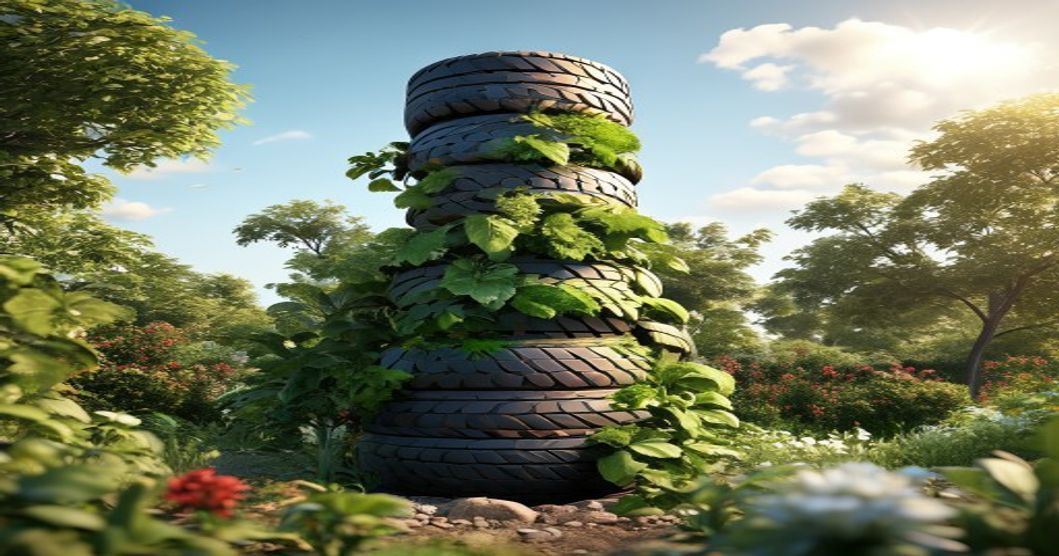
Tyres are perfect for crops that appreciate deep root runs or need a bit of warmth. Think potatoes – as the plant grows, you can add more soil and stack another tyre on top, encouraging more tubers. They're also brilliant for sweet potatoes, large chilli bushes, or even a generous patch of spinach or Swiss chard. You can stack them two or three high to create impressive vertical gardens, maximising every square centimetre of space.
Bucket Bonanza: Turning Waste into Wealth
Before you toss those empty 20-litre paint buckets or old plastic drums, consider their potential! These sturdy containers are practically begging to be repurposed into productive mini-gardens. The key here is thorough cleaning and excellent drainage.
Start by giving any old bucket a serious wash. If it held chemicals, a few rinses with hot, soapy water (and even a weak bleach solution, followed by more rinsing) will help neutralise any residue. Make sure to rinse until there's no lingering smell. Next, and this is crucial, drill plenty of drainage holes in the bottom. I usually go for about 6-8 holes, roughly 1cm in diameter, spread evenly across the base. This prevents waterlogging, which is a death knell for most vegetable roots.
What thrives in a bucket? Smaller, bushy varieties of vegetables do wonderfully. Imagine a bucket bursting with crisp lettuce, vibrant spinach, or a collection of your favourite herbs like rosemary, thyme, and oregano. Bush beans, chillies, peppers, and even smaller determinate tomato varieties (like Roma or cherry tomatoes) are excellent choices. If you have a larger drum, you could even grow a single butternut or pumpkin vine and train it to trail over the edge of your patio.
Creative Repurposing: Thinking Outside the Pot
Container gardening truly shines when you embrace creativity. Don't limit yourself to just tyres and buckets! Look around your homestead for other items that can be given a new lease on life. Old wooden crates, for example, can be lined with landscaping fabric or heavy-duty plastic (again, with drainage holes!) and filled with soil for herbs or shallow-rooted greens. Stack them for a tiered effect.
Even an old, chipped bathtub can be transformed into an incredible raised garden bed. Just ensure the drain plug is removed or drill extra holes for drainage, and elevate it slightly to prevent rust on your paving. Grow bags, often made from recycled plastic or old feed sacks (those sturdy maize meal or animal feed bags), are fantastic. They're breathable, lightweight, and perfect for root crops like potatoes or sweet potatoes, as they allow for easy harvesting – just tip them out!
The golden rule for any repurposed container? Drainage, drainage, drainage! If water can't escape, your plants will suffer. And remember to elevate your containers slightly using bricks or 'pot feet' to allow air